
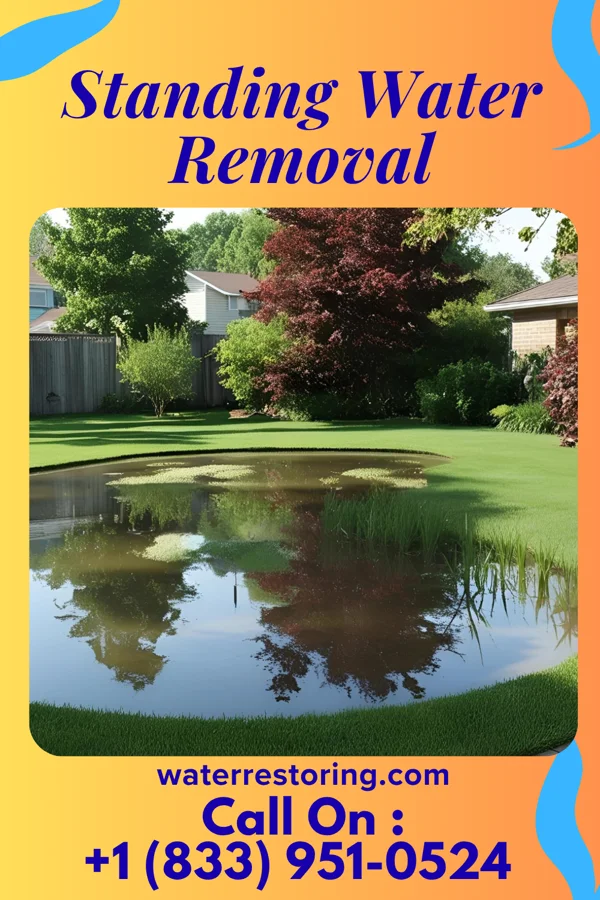
Standing Water Across Witches Woods Neighborhoods
Every neighborhood in Witches Woods has a different water damage risk profile. The one that shows up on most restoration calls is In Witches Woods, Connecticut, water damage often stems from heavy rainfall and flooding due to its proximity to Lake Bungee and Quasset Lake. The rural setting and lack of extensive drainage systems can lead to water pooling around homes, especially during spring thaws and autumn storms.. A close second is Secondary causes include sewer backups from nearby South Woodstock, leaking underground storage tanks, and burst pipes in older homes. The area's high water table also increases the risk of groundwater seeping into basements and crawl spaces..
Witches Woods experiences a humid continental climate with frequent heavy downpours and snowmelt, creating a high risk of water intrusion. The region's natural topography and dense forestation contribute to localized flooding events that can overwhelm even well-maintained properties.
Water damage in Witches Woods follows a few local patterns. In Witches Woods, Connecticut, water damage often stems from heavy rainfall and flooding due to its proximity to Lake Bungee and Quasset Lake. The rural setting and lack of extensive drainage systems can lead to water pooling around homes, especially during spring thaws and autumn storms. accounts for the bulk of our calls. Witches Woods experiences a humid continental climate with frequent heavy downpours and snowmelt, creating a high risk of water intrusion. The region's natural topography and dense forestation contribute to localized flooding events that can overwhelm even well-maintained properties. Mold can develop quickly in the damp, wooded environment of Witches Woods, especially in older homes with poor insulation. The high humidity and frequent moisture exposure create ideal conditions for mold growth if water damage is not addressed promptly.
For public guidance on the health effects of mold after prolonged water exposure, see the EPA mold and health page.